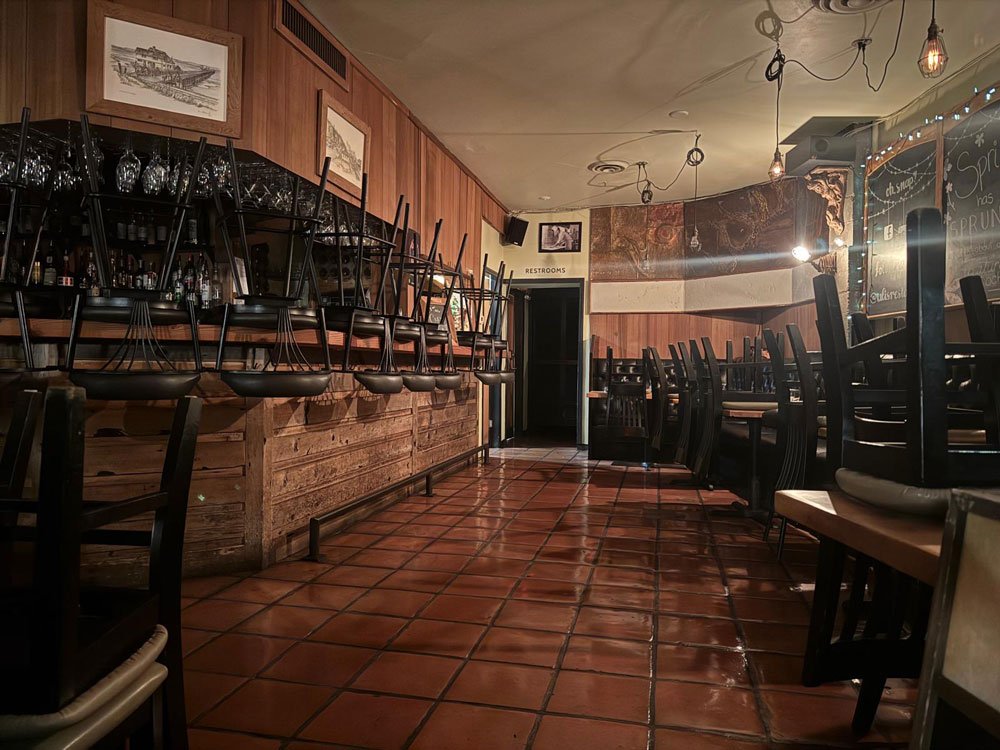
When a restaurant opens for the day, employees rarely have the luxury of working one task at a time. Yet cleanliness remains non-negotiable. Streamlined, bite-sized cleaning drills speed up the morning rush, lift staff morale and reassure patrons that they are entering a spotless environment. More than a time-saver, disciplined quick cleaning shields your brand and helps you stay within local health codes.
Setting Up a Morning Cleaning Plan for Maximum Efficiency
Establishing a Consistent Cleaning Schedule
A predictable timetable keeps everybody moving in sync and stops any high-touch surface from slipping through the cracks. Block out the first fifteen minutes prior to opening for a brief sweep of counters, aisle floors and door handles, then a fast wipe with sanitizer.Opening time is less harried when this mini-routine becomes muscle memory.
Assigning Clear Roles and Responsibilities
Cleaning duties should never be a game of who-gets-there-first. Give every crew member a bite-sized chore she can own-kitchen prep area, dining room, rest rooms-and swap those roles each week to avoid fatigue. With clear assignments speed rises and no critical corner is left dirty.
Preparing Required Cleaning Supplies and Equipment
Gather every cleaning tool in one easily reachable place. Fill that space with disinfectant spray, microfiber cloths, brooms, and empty spray bottles. Sort the items into marked bins or movable carts, so anyone on the team can take a set in seconds. Being organized saves the precious minutes that can make or break a calm opening.
Key Areas to Focus on During Quick Morning Cleanings
Kitchen and Food-Preparation Areas
A clean kitchen protects both staff and customers. Start by disinfecting counter tops, door handles, and other food-contact surfaces, then tackle appliances and sinks. Fast-drying spray disinfectants with microfiber cloths usually leave no moisture behind. That quick pass cuts the risk of cross-contamination and meets health-code deadlines.
Dining Room and Customer Spaces
An orderly dining room impresses guests the moment they enter. Wipe tables, chairs, and high-contact spots such as menus and condiment containers. A quick sweep or light vacuum keeps grit from working into corners. These short, focused tasks create a welcoming atmosphere that lasts all day.
Restrooms and Handwashing Stations
Busy mornings make restrooms hotspot for dirt and germs, so they require extra vigilance. After nightly deep clean, spot-check and disinfect sinks, faucets, door handles, and soap dispensers every hour using fast-drying surface wipes or sprays, and do not block access to stalls or emergency exits while stations are being cleaned. A pristine lavatory conveys to both team members and guests that the operation takes hygiene seriously.
Effective Fast-Cleaning Techniques and Tools
Microfiber Cloths and Spray Disinfectants
Microfiber cloths trap soil and moisture much more effectively than terry rags, cutting wipe time by almost half. When paired with a fast-drying, EPA-listed all-purpose disinfectant, the team can disinfect, wipe, and move forward without waiting for surfaces to dry completely. This synergy minimizes labor hours while ensuring pathogenic spores are neutralized.
Steam Cleaning and Portable Equipment
Small, hospital-grade steamers produce high-velocity dry steam that lifts grease and kills microbes within a few seconds. Staff can dash through service corridors, break rooms, and adjoining restrooms with a wheeled unit, obliterating smudges and de-liming fixtures while leaving no residue or harsh odor behind. The chemical-free process also protects sensitive finishes.
Implementing Color-Coded Cleaning Tools
A color-coded kit—blue mops, green cloths, and red brushes—directs each staff member to the zone assigned, blocking cross-transfer of foodborne pathogens or restroom soil. The simple visual cue speeds up patrols, lowers training time for new hires, and lends a consistent, professional appearance that guests notice in common areas.
Best Practices for Keeping Work Areas Clean Throughout Every Shift
Continuous Spot Cleaning
Staff should be encouraged to perform short, informal cleanings between duties, wiping surfaces or picking up debris as they move around. Providing a set of mobile supplies-apron dispensers, cloths, sanitizer-can make those moments quick and easy. Little actions, repeated often, lead to a noticeably tidier environment over time.
Staff Training and Quick Clean Protocols
Refresher sessions teach employees faster ways to manage everyday spills and fingerprints. Pairing that training with simple checklists, color-coded boards or pictures reinforces the habit. When cleaning becomes routine, workers respond quicker and the early-morning rush feels calmer for everyone.
Utilizing Technology to Stream Cleaning
Today a shared checklist app lets supervisors see who cleaned what and when, in real time. Push alerts remind team members to tackle high-touch areas at regular intervals, so nothing gets overlooked. By adding timers, staff learn how long tasks really take, gradually speeding up the process without cutting corners.
Real-World Examples and Success Stories
After one busy cafe introduced focused, bite-sized clean-ups, its opening-prep time dropped nearly twenty percent. Workers became faster through targeted training and better-organized carts, allowing them to start serving guests sooner. Managers also noticed a sharp rise in morale and customer satisfaction, as spotless surfaces welcomed patrons the minute the door swung open.
Conclusion
Brief, consistent cleaning routines are vital on hectic restaurant mornings. They safeguard guests, ensure compliance, and keep the operation flowing. Success follows preparation, appropriate tools, and staff who know the tasks. Regularly audit and update procedures; stagnation can jeopardize the speed and thoroughness that success demands. Strong routines translate into improved service, more satisfied employees, and healthier patrons.